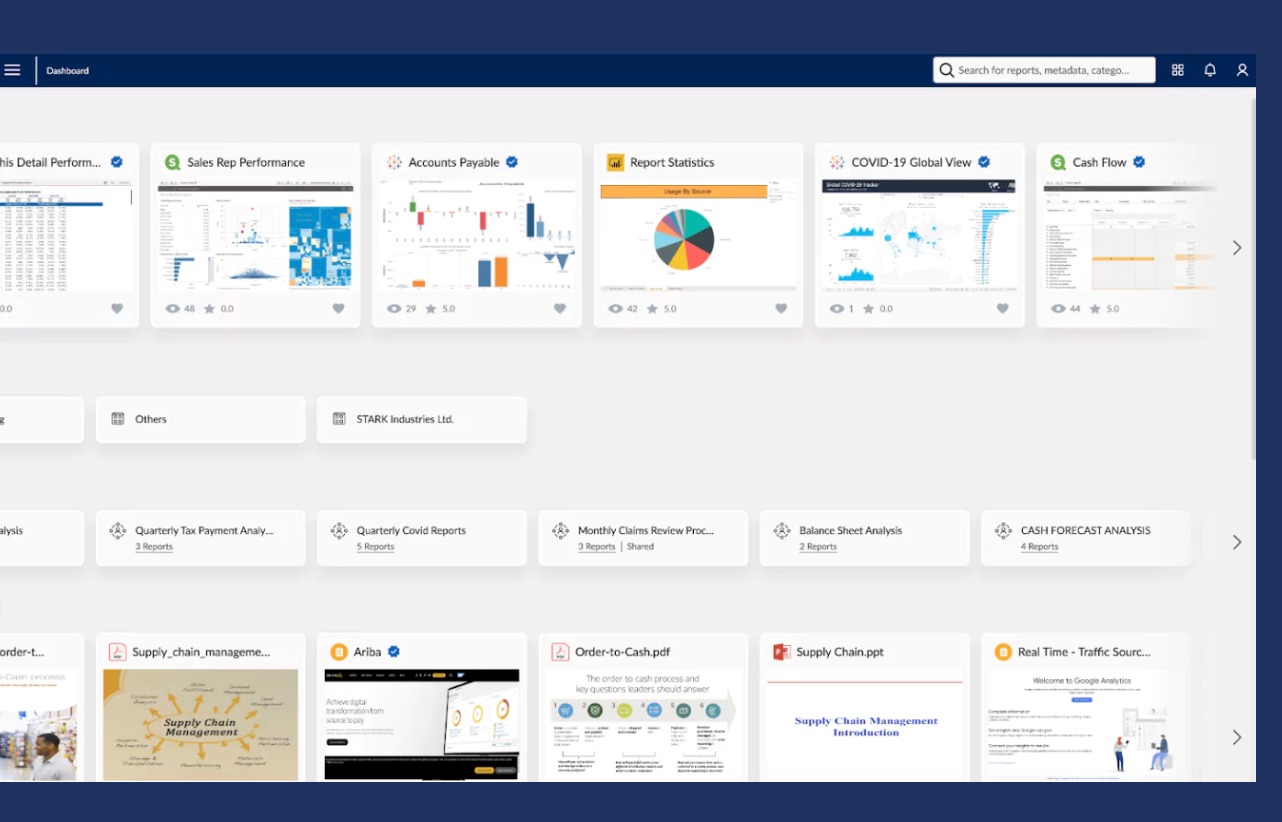


Your company spent six figures on a new BI platform. Two years later, the same five analysts use it while everyone else still emails them for reports.
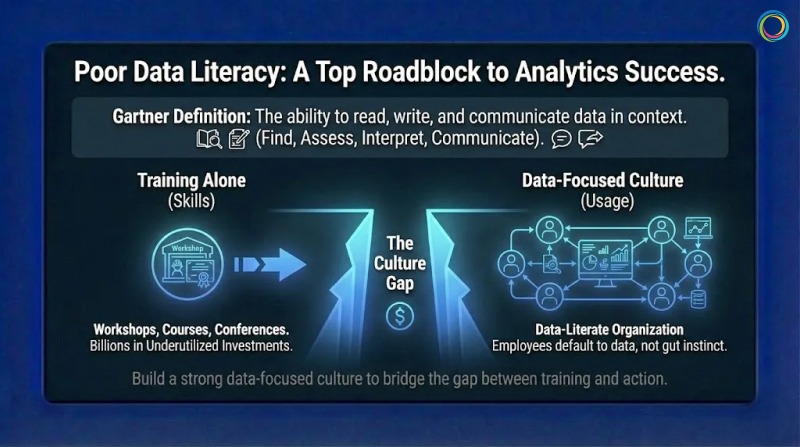
Sound familiar? Gartner's 2024 CDAO Survey found that poor Data Literacy ranks among the top five roadblocks to data and analytics success. Leaders say data literacy is critical, yet most organizations have not achieved it. That gap represents billions in underutilized analytics investments sitting idle while teams default to gut instinct.
The problem is not training budgets. Companies run workshops, buy courses, and send employees to conferences. But training alone does not create a data-literate organization. Training teaches skills. Culture determines whether those skills get used.
This is where most initiatives fail. For organizations working on data trust frameworks, literacy is what turns trustworthy data into confident action.
Why Most Data Literacy Programs Fail
Most organizations treat data literacy like a compliance checkbox. They assign courses, track completion rates, and call it done. Six months later, nothing has changed. The same analysts answer the same questions for the same business users who never opened the tools they were trained on.
Gartner research identifies three categories of challenges: executive sponsorship issues (lack of ownership or budget), learning experience problems (unengaging training), and cultural barriers (employee resistance). Only one of these is actually about training itself.
Another failure mode is teaching generic skills disconnected from actual work. A finance analyst needs different skills than a supply chain manager. Generic training treats everyone the same, which means it works well for no one. The biggest failure is launching initiatives without explaining why they matter. Without understanding the purpose, employees complete minimum requirements and return to working how they always have.
What Data Literacy Actually Means
Gartner defines Data Literacy as "the ability to read, write, and communicate data in context." In practice, it means employees can find relevant information, assess whether it is trustworthy, interpret what it means, and communicate conclusions that support good decisions. Piyanka Jain, CEO of Aryng, puts it well: "It's not about turning everyone into a data scientist. It's about enabling employees to deliver measurable business value using data."
Not everyone needs the same level of capability. Basic literacy means finding reports and understanding visualizations. Working literacy means asking good questions, interpreting trends, and knowing when to seek expert help. Advanced literacy means designing analyses and creating visualizations. Targeting the right level prevents under-investment (leaving people unable to do jobs) and over-investment (teaching unused skills).
Here is what many organizations miss entirely. Data Literacy without Data Trust creates frustration. Research from Precisely found 67% of organizations do not trust their data. Teaching people to use data they do not trust is like teaching someone to drive a car with broken brakes. Literacy programs work best alongside trust-building initiatives like data trust scoring.
Training That Works
Effective programs begin with job tasks rather than software features. Instead of teaching "how to use Power BI," they teach "how to answer questions your job requires." This distinction matters more than most training teams realize.
Brown-Forman surveyed internal customers about analytics adoption. They found people wanted easier access to relevant analytics, not more training. Their solution was a one-stop shop putting the right reports in front of the right people. Adoption improved because the barrier was access, not skill. Sometimes the problem looks like literacy but is actually discovery.
Adults learn by doing. After learning a concept, employees should use it immediately on something that matters. Harvard Data Science Review's 2025 research shows organizations with mature literacy programs treat training as ongoing practice, not one-time events. Middle managers serve as the primary execution arm of data strategy, turning vision into daily practice.
Building Culture Beyond Training
Culture change happens through modeling, not mandates. When executives ask for data before decisions, they signal that data matters. When leaders share how data changed their thinking, they give permission for others to do the same. Leadership goes first or the initiative stalls.
Gartner predicts more than 50% of CDAOs will secure funding for data literacy programs by 2027. But this requires visible commitment from business leadership, not just technology leadership. CDAOs cannot build culture alone.
People take the path of least resistance. If finding a report requires checking four systems with different passwords, people rely on memory instead. Self-service platforms reduce dependency on specialists. Analytics hubs that unify discovery across BI tools eliminate search burdens. The goal is making data-informed decisions easier than uninformed ones.
Fear of looking stupid kills literacy faster than any skill gap. Leaders should normalize not knowing everything. Teams should celebrate good questions, not just answers. What gets measured gets managed. Define specific, observable behaviors: Did the manager reference metrics in team meetings? Did the sales rep use pipeline data to prioritize accounts? Recognition for data-informed decisions creates social proof that literacy leads to success.
How ZenOptics Supports Data Literacy
The ZenOptics Analytics Hub creates an environment where using data is easy and finding trusted information is straightforward. Self-service discovery puts reports from all connected BI platforms into a single searchable interface. Business users find what they need without knowing which system contains it.
Trust Indicators display certification status, freshness, and ownership. Users quickly assess whether information is reliable, building confidence to act. Collaboration features connect comments and ratings directly to reports. Users learn from each other through shared annotations and can find experts when needed. Curated portals present role-relevant content so employees land on information that matters rather than searching through everything.
Frequently Asked Questions
What is data literacy?
Data literacy is the ability to find, interpret, and communicate data in context. It enables employees to engage with evidence rather than relying solely on specialists.
Why do training programs fail?
They focus on skill transfer without addressing culture, access, and motivation. Without supportive environments, skills fade unused.
How do you measure success?
Look at behavior change: self-service usage rates, reduction in support requests, data references in decision documentation. The ultimate measure is improved business outcomes.
Conclusion
Data Literacy is not a training problem. It is a culture problem that training alone cannot solve.
Successful organizations teach skills in context, create environments where data is easy to use, remove friction through accessible platforms, and model data-informed behavior from leadership down. Your BI platform is only as valuable as the number of people who confidently use it.
Data literacy turns expensive infrastructure into competitive advantage. The question is whether your organization builds the culture to unlock it.
Published February 16, 2026Building a Data-Literate Organization: From Training to Culture
Most teams have analytics tools, but without data literacy, decisions still rely on instinct. Book a demo to learn how to move beyond one-off training and embed data into everyday workflows so every employee can confidently use data to drive better outcomes.
Schedule My Demo